Behind every well-built structure is a well-managed construction process. A building may look impressive when completed, but its success depends on hundreds of decisions made before and during construction. From selecting the right materials and managing workers to controlling costs and meeting deadlines, every detail requires proper attention. Without effective planning and coordination, even a well-designed project can face unexpected challenges.
Construction project management brings all these activities together through a systematic approach. It ensures that architects, engineers, contractors and workers work towards the same goals. Let's understand how the construction project management process works, who is responsible for different activities and why it matters for successful project delivery.
Key Takeaways
- Construction project management covers the complete project lifecycle.
- Proper planning and budgeting help control project costs.
- Project managers coordinate architects, engineers and contractors.
- Quality inspections and safety management reduce construction risks.
- Regular monitoring helps maintain project timelines and standards.
What Is Construction Project Management?
Construction project management is the process of planning, coordinating and supervising all activities involved in a construction project. It starts before construction begins and continues until the project is completed and handed over.
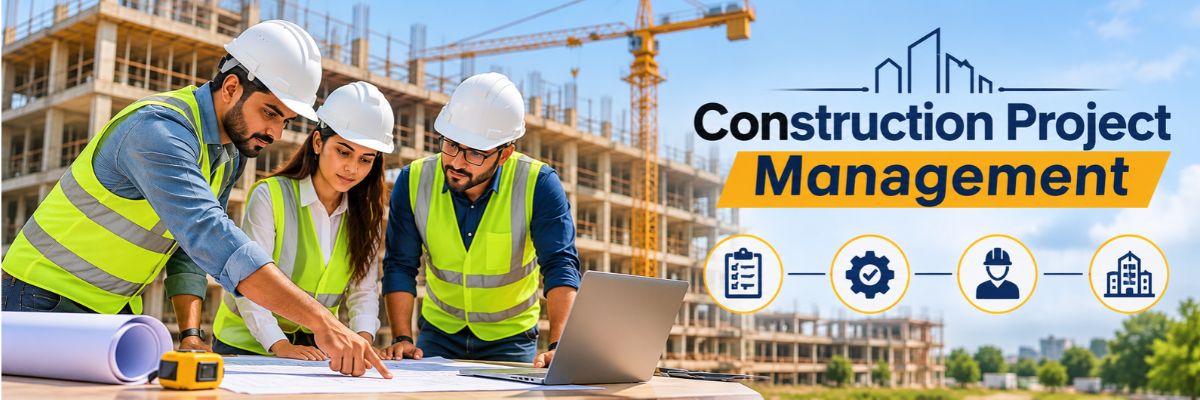
A construction project manager works with architects, engineers, contractors, suppliers and workers to ensure that every stage follows the approved plan.
The main objectives include:
- Completing the project within the planned budget.
- Maintaining construction quality and safety standards.
- Managing labour, materials and equipment.
- Reducing delays and unnecessary expenses.
- Ensuring proper coordination between project teams.
Construction Project Management Process
A successful construction project follows several stages. Each stage has a specific purpose and helps keep the work organised.
1. Project Planning and Feasibility
The first step is to understand the project requirements and determine whether the proposed construction is practical. This includes analysing the location, land conditions, project objectives, estimated costs and available resources.
At this stage, project teams also identify possible challenges and prepare an initial project plan.
2. Design and Budget Estimation
Once the project is considered feasible, architects and engineers prepare the design, drawings and technical specifications.
The project budget is also estimated based on material costs, labour charges, equipment, approvals and other expenses. Proper budgeting helps avoid unexpected financial pressure during construction.
3. Scheduling and Resource Management
A construction schedule defines when different activities should start and finish. It includes important tasks such as excavation, foundation work, structural construction, electrical installation and finishing.
Project managers also arrange the required workers, machinery and building materials to ensure smooth progress.
4. Construction and Execution
This is the stage where actual construction work begins. Contractors and workers carry out activities according to approved drawings, specifications and schedules.
Project managers regularly monitor site activities, coordinate with different teams and resolve issues that may affect progress.
5. Quality Control and Safety Management
Quality and safety are essential throughout construction. Regular site inspections help identify defects, material issues and workmanship problems before they become major concerns.
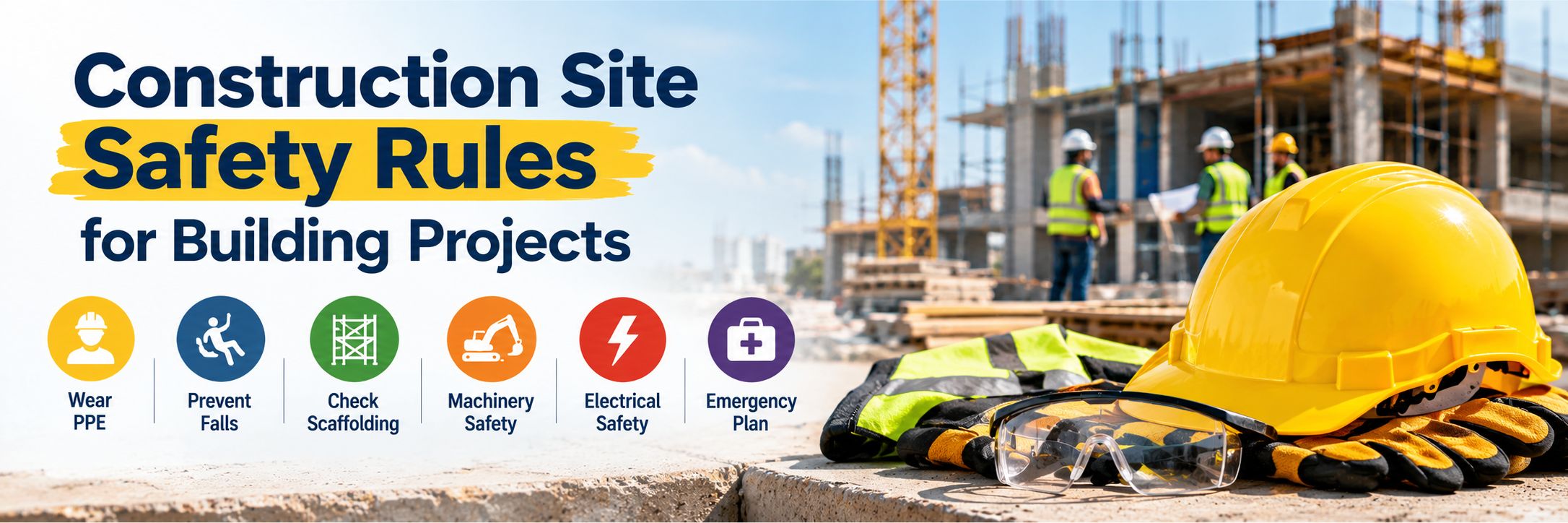
Safety procedures, proper equipment and worker training also help reduce construction-related risks.
6. Project Monitoring and Control
During construction, actual progress is compared with the planned schedule and budget. If delays, cost increases or technical problems occur, corrective actions are taken.
Regular progress reports and team meetings help maintain transparency and keep everyone informed.
7. Final Inspection and Project Handover
The final stage involves inspecting the completed construction work and checking whether it meets the approved requirements.
Any remaining defects or incomplete activities are addressed before handover. Relevant documents, warranties and maintenance information are also provided to the client.
Key Roles and Responsibilities in Construction Project Management
Construction projects require teamwork between different professionals. Each person has specific responsibilities that contribute to successful project delivery.
1. Construction Project Manager
The project manager oversees the complete construction process. Their responsibilities include:
- Preparing project plans and schedules.
- Managing budgets and resources.
- Coordinating contractors and suppliers.
- Monitoring work progress and quality.
- Identifying risks and resolving project issues.
2. Architect
An architect develops the building design according to the client's requirements. They prepare architectural drawings, plan space utilisation and ensure that the design meets applicable building requirements.
3. Civil Engineer
Civil engineers handle the technical aspects of construction. They help ensure structural stability, supervise engineering activities and check whether construction work follows approved technical specifications.
4. Site Engineer and Supervisor
Site engineers and supervisors monitor daily construction activities. They coordinate with workers, check material usage, inspect workmanship and report progress to the project management team.
5. Contractor
Contractors are responsible for executing construction work according to the agreed scope, drawings and specifications. They manage labour, equipment and day-to-day site operations.
6. Quantity Surveyor
A quantity surveyor manages construction costs. Their work includes preparing cost estimates, measuring quantities, checking bills and monitoring project expenses.
7. Safety Officer
A safety officer ensures that workers follow site safety procedures. They conduct safety inspections, identify potential hazards and help maintain a safe working environment.
Why Is Construction Project Management Important?
Proper project management makes construction work more organised, efficient and predictable. Its major benefits include:
- Better Cost Control: Proper budgeting and expense tracking help prevent unnecessary spending.
- Timely Project Completion: A clear schedule helps manage activities and reduce avoidable delays.
- Improved Quality: Regular inspections ensure that materials and workmanship meet required standards.
- Workplace Safety: Safety planning helps protect workers and reduce construction risks.
- Better Coordination: Clear communication between teams prevents confusion and improves productivity.
- Risk Management: Early identification of problems helps project teams take corrective action.
Conclusion
Construction project management is essential for delivering successful residential, commercial and industrial projects. From initial planning and budgeting to construction supervision and final handover, every stage requires proper coordination and monitoring.
A well-managed construction project helps maintain quality, control expenses, improve safety and achieve timely completion. Choosing an experienced construction team with a structured management approach can make a significant difference to the overall project outcome.