Introduction
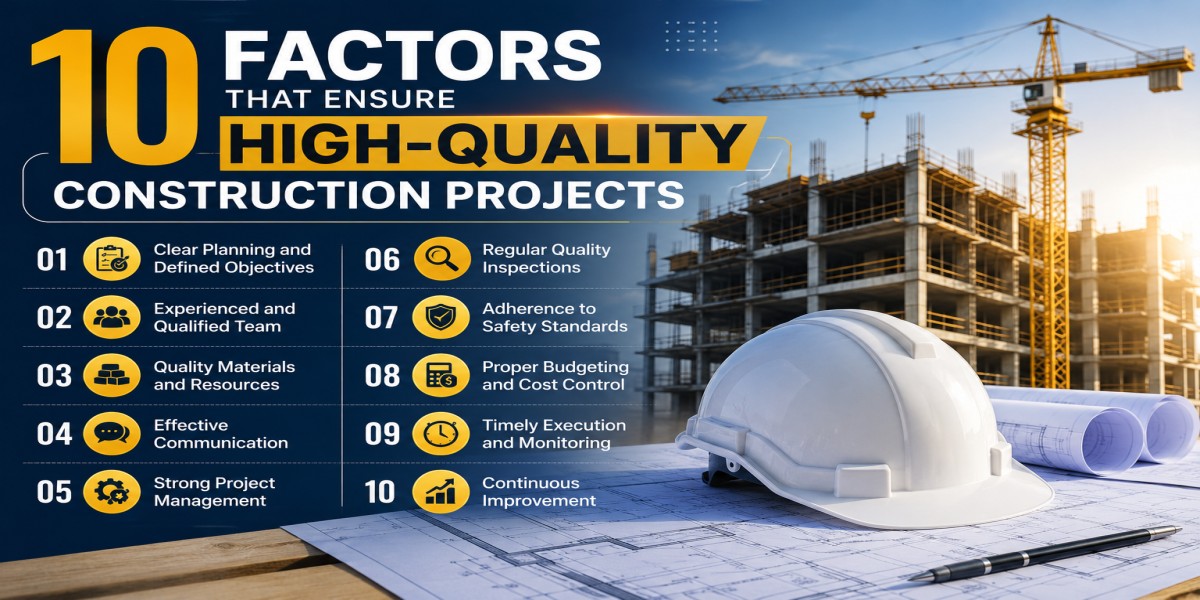
Quality construction isn't accidental; it's the result of disciplined planning, skilled execution, and consistent standards at every stage. Many property owners only discover gaps in workmanship after cracks appear, water seeps in, or structural issues surface years later. Understanding what separates a reliable build from a risky one helps you make smarter decisions before the first brick is laid. This guide covers the ten factors that define quality construction in Jaipur and how to evaluate them before hiring a contractor.
Key Takeaways
- Quality construction depends on structural accuracy, material integrity, and skilled execution working together.
- Soil testing and foundation planning prevent the most common long-term structural failures.
- Strict adherence to construction quality standards reduces safety risks and future maintenance costs.
- Modern technology and documented inspection protocols improve consistency across every project phase.
- Choosing an experienced construction company in Jaipur with proven quality processes protects your long-term investment.
Why Construction Quality Matters More Than Speed
Many clients prioritize fast timelines over thorough processes, but rushed construction almost always leads to compromises that surface later as cracks, leakages, or structural weaknesses. A quality-first approach takes slightly longer upfront but saves significant money and stress over the building's lifetime.
In our experience delivering projects across Jaipur, the difference between an average build and a truly durable one usually comes down to ten specific factors. These apply whether you're constructing a home, a commercial space, or an industrial facility.
Factor 1: Structural Design and Engineering Accuracy
Every quality construction project begins with precise structural design. This involves calculating load distribution, selecting appropriate structural systems, and ensuring the design accounts for local soil conditions and climate patterns.
Accurate structural engineering includes:
- Detailed load-bearing calculations for walls, columns, and beams
- Seismic and wind load considerations based on regional risk factors
- Proper reinforcement detailing for concrete elements
- Coordination between architectural and structural drawings
Errors at the design stage are the most expensive to fix later, since they often require demolition or major reinforcement work. A construction company in Jaipur with strong engineering expertise catches these issues before construction even begins.
Factor 2: Material Selection and Sourcing
The quality of materials used directly determines how long a structure lasts. Cement, steel, aggregates, and finishing materials must meet established construction quality standards rather than being chosen purely on cost.
Key material considerations include:
- Using branded cement and certified steel from reputable suppliers
- Testing aggregate quality for strength and consistency
- Verifying material batch numbers and supplier certifications
- Avoiding substandard substitutes that compromise structural integrity
A practical example: using lower-grade steel to save costs might reduce the budget by a small margin initially, but it significantly increases the risk of structural failure over time. Quality contractors never compromise on core structural materials, even under budget pressure.
Factor 3: Skilled Labor and Trained Workforce
Even the best materials and designs fail without skilled execution. The people physically building the structure, masons, electricians, plumbers, and supervisors, play a direct role in determining final quality.
A trained workforce ensures:
- Precise concrete mixing and curing practices
- Accurate alignment during masonry and framing work
- Proper installation of electrical and plumbing systems
- Consistent finishing quality across the project
Construction firms that invest in workforce training and retain experienced teams consistently deliver better outcomes than those relying on inconsistent, unskilled labor pools.
Factor 4: Site Supervision and Project Management
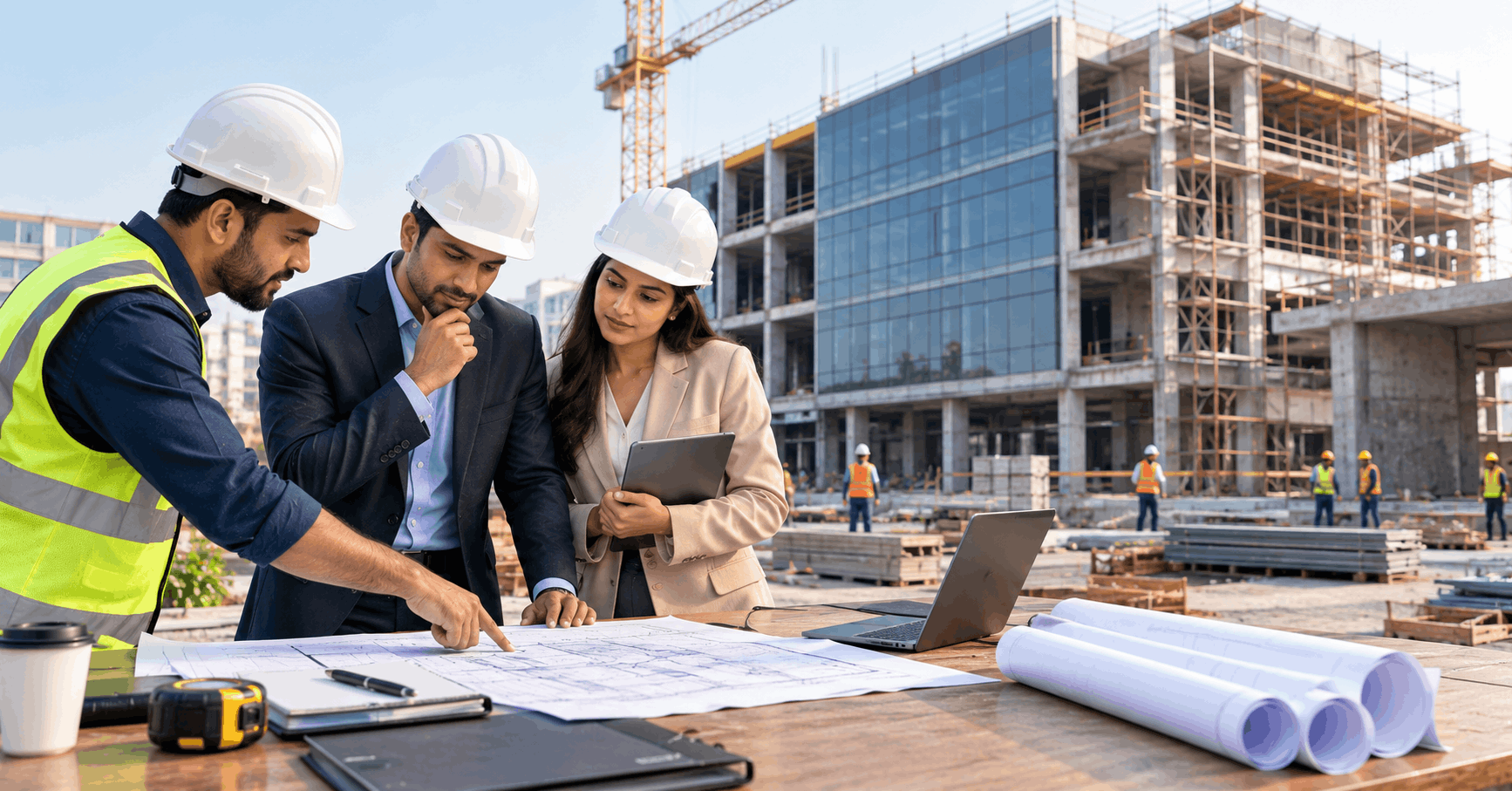
Quality construction requires constant oversight, not occasional check-ins. Dedicated site supervisors ensure that work matches approved drawings, timelines stay on track, and issues get resolved before they escalate.
Effective site supervision involves:
- Daily monitoring of ongoing work against project plans
- Coordinating between different trades to avoid conflicts
- Identifying and correcting deviations early
- Maintaining safety protocols on-site
Projects without dedicated supervision often experience inconsistent workmanship, since different teams may interpret instructions differently without a single point of accountability.
Factor 5: Soil Testing and Foundation Planning
The foundation supports everything above it, which makes soil testing one of the most critical yet frequently skipped steps in construction. Jaipur's varied soil composition across different areas makes this especially important.
Proper foundation planning includes:
- Conducting geotechnical soil tests before finalizing foundation design
- Selecting the appropriate foundation type (isolated, raft, or pile) based on soil bearing capacity
- Accounting for groundwater levels and drainage patterns
- Designing adequate foundation depth for the specific structure load
Skipping soil testing to save time or money is one of the most common causes of long-term structural problems, including uneven settling and wall cracking.
Factor 6: Adherence to Building Codes and Local Regulations
Quality construction in Jaipur must comply with national building codes and local municipal regulations. These codes exist to ensure structural safety, fire protection, and accessibility standards are consistently met.
Compliance areas include:
- National Building Code (NBC) guidelines for structural safety
- Local municipal corporation approval requirements
- Fire safety norms based on building type and height
- Setback and floor space index (FSI) regulations
A construction company in Jaipur that understands local regulatory requirements helps clients avoid penalties, demolition orders, or delayed occupancy certificates caused by non-compliance.
Factor 7: Quality Control and Inspection Protocols
Consistent quality requires structured inspection at every stage rather than a single check at project completion. Quality control checkpoints catch errors when they're still inexpensive to fix.
Standard inspection protocols include:
- Concrete cube testing for strength verification
- Reinforcement inspection before concrete pouring
- Waterproofing checks before finishing work begins
- Final structural and finishing inspections before handover
Civil engineering services in Jaipur that follow documented quality control checklists at each phase produce far more consistent results than projects relying on informal, undocumented checks.
Factor 8: Use of Modern Construction Technology
Technology has significantly improved construction accuracy and efficiency. While traditional methods still have their place, modern tools help reduce human error and improve precision.
Useful technology applications include:
- Total stations and laser levels for accurate measurements
- Ready-mix concrete for consistent material quality
- Project management software for timeline and budget tracking
- Digital documentation for inspection records and approvals
Construction firms that combine traditional craftsmanship with modern technology typically deliver more precise, better-documented projects.
Factor 9: Transparent Communication and Documentation
Quality construction depends heavily on clear communication between the client, architect, engineer, and contractor. Miscommunication often leads to costly errors and disputes.
Strong communication practices include:
- Regular progress updates with photo documentation
- Clear written approvals for any design changes
- Transparent cost breakdowns and billing
- Accessible points of contact for client queries
Documented communication also protects clients by creating a clear record of decisions, approvals, and any modifications made during construction.
Factor 10: Post-Construction Support and Accountability
Quality doesn't end at handover. Reliable contractors stand behind their work through defect liability periods and ongoing support for any issues that arise after occupancy.
Post-construction accountability includes:
- Defect liability period coverage for structural or finishing issues
- Clear warranty terms for waterproofing and major systems
- Responsive support for post-handover concerns
- Maintenance guidance for long-term upkeep
This commitment to accountability is often what separates a trustworthy construction company in Jaipur from one focused purely on project completion and payment.
Comparison Table: High-Quality vs Substandard Construction Practices
| Factor | High-Quality Practice | Substandard Practice |
|---|---|---|
| Design Stage | Detailed structural calculations and code compliance | Generic designs without site-specific analysis |
| Materials | Certified, branded materials with verified testing | Unverified or substandard material substitutes |
| Labor | Trained, experienced workforce with consistent oversight | Unskilled labor with minimal supervision |
| Foundation | Soil testing and engineered foundation design | Foundation design based on assumptions |
| Inspections | Documented checks at every construction phase | Informal, inconsistent quality checks |
| Compliance | Full adherence to NBC and local municipal codes | Partial or ignored regulatory compliance |
| Post-Handover | Defect liability coverage and ongoing support | No accountability after project completion |
Checklist: Evaluating a Contractor's Quality Standards
Use this checklist before hiring a construction partner:
- Ask for documented structural design and engineering calculations
- Verify material sourcing and certification processes
- Confirm soil testing is included before foundation work begins
- Check whether the contractor follows National Building Code guidelines
- Request details on their site supervision and inspection protocols
- Ask about the technology and tools used during construction
- Review past projects for workmanship and finishing quality
- Confirm defect liability period and post-handover support terms
This checklist helps clients evaluate building construction services in Jaipur objectively, rather than relying solely on cost comparisons or sales pitches.
Conclusion
Delivering quality construction in Jaipur isn't about any single decision; it's the cumulative result of sound engineering, certified materials, skilled labor, rigorous inspections, and consistent accountability throughout the project lifecycle. Clients who understand these ten factors are better equipped to evaluate contractors and avoid costly mistakes down the line. Whether you're planning a home, commercial space, or industrial facility, prioritizing these standards protects both your investment and your peace of mind.
If you're looking for a construction company in Jaipur that combines technical expertise with transparent, accountable execution, RR Infra Group is ready to help. Our team delivers building construction services and civil engineering services in Jaipur built on documented quality standards at every stage. Contact RR Infra Group today to discuss your project and experience construction done the right way.