Planning to build your dream home in Jaipur? Before you start, there are several important decisions you need to get right. From construction costs and house plans to materials, contractors, and finishing, this guide covers everything you need to know. RR INFRA can help make the construction journey more structured, efficient, and hassle-free.
In this guide, you’ll learn about the complete process of house construction in Jaipur, from selecting the right plot and preparing a budget to foundation work, structural construction, finishing, and final inspection. Whether you’re building your first home or a family house, this guide will help you plan each stage with greater confidence.
Key Takeaways
- Plan your house construction in Jaipur carefully before starting work.
- Set a realistic budget covering materials, labour, approvals, and finishing.
- Choose a suitable plot and verify its documents and site conditions.
- Work with experienced professionals for design, structure, and construction.
- Use quality building materials for better durability and long-term value.
- Monitor every stage, from foundation and structural work to plumbing, electrical, and finishing.
- Keep some extra budget and time for unexpected construction requirements.
What to Know Before Starting House Construction in Jaipur
Before construction begins, clearly define your requirements. Decide the size of your home, number of floors, number of bedrooms, parking requirements, and future expansion plans.
You should also consider:
- Plot size and location
- Road access and surroundings
- Water and electricity availability
- Soil condition
- Construction budget
- House design and layout
- Required approvals and permissions
Having a clear plan from the beginning can help reduce unnecessary changes and unexpected expenses later.
Step 1: Select and Check Your Plot
The plot is the foundation of your construction project. Before purchasing or starting construction, check its dimensions, accessibility, soil condition, drainage, and availability of basic utilities.
It is also important to verify ownership documents and understand applicable local building regulations. A proper site evaluation can help identify potential construction issues before work begins.
Step 2: Prepare Your House Construction Budget
One of the most important parts of house construction in Jaipur is setting a realistic budget.
Your budget may include:
- Civil and structural work
- Cement, steel, bricks, and other materials
- Labour charges
- Architect and structural engineer fees
- Plumbing and electrical work
- Flooring and tiles
- Doors and windows
- Painting
- Waterproofing
- Interior finishing
- Approval and other related expenses
Keep some additional funds aside for unexpected expenses. Avoid making your decision only on the lowest quotation because material quality and workmanship can significantly affect the final cost.
Step 3: Design Your House Plan
A well-designed house should provide comfort, functionality, ventilation, and natural light. Work with an experienced architect or designer to create a practical layout.
Your plan may include:
- Bedrooms
- Living and dining areas
- Kitchen
- Bathrooms
- Balcony
- Parking
- Utility space
- Staircase
- Storage areas
Plan electrical points, plumbing lines, windows, and ventilation before construction starts. This can prevent expensive modifications later.
Step 4: Complete Required Approvals
Before beginning construction, check which permissions and approvals are required for your property. Building plans and construction should follow the applicable local regulations.
Keep important property and construction documents properly organized. Starting work without understanding approval requirements can lead to delays or additional problems.
Step 5: Choose the Right Construction Company
Choosing the right contractor or construction company can have a major impact on quality, cost, and completion time.
Before hiring a professional, check:
- Previous projects
- Experience
- Client feedback
- Material quality
- Construction process
- Project timeline
- Payment terms
- Written quotation
- Warranty or post-construction support
A clear agreement should define the scope of work, materials, estimated timeline, and payment schedule.
Step 6: Select Quality Construction Materials
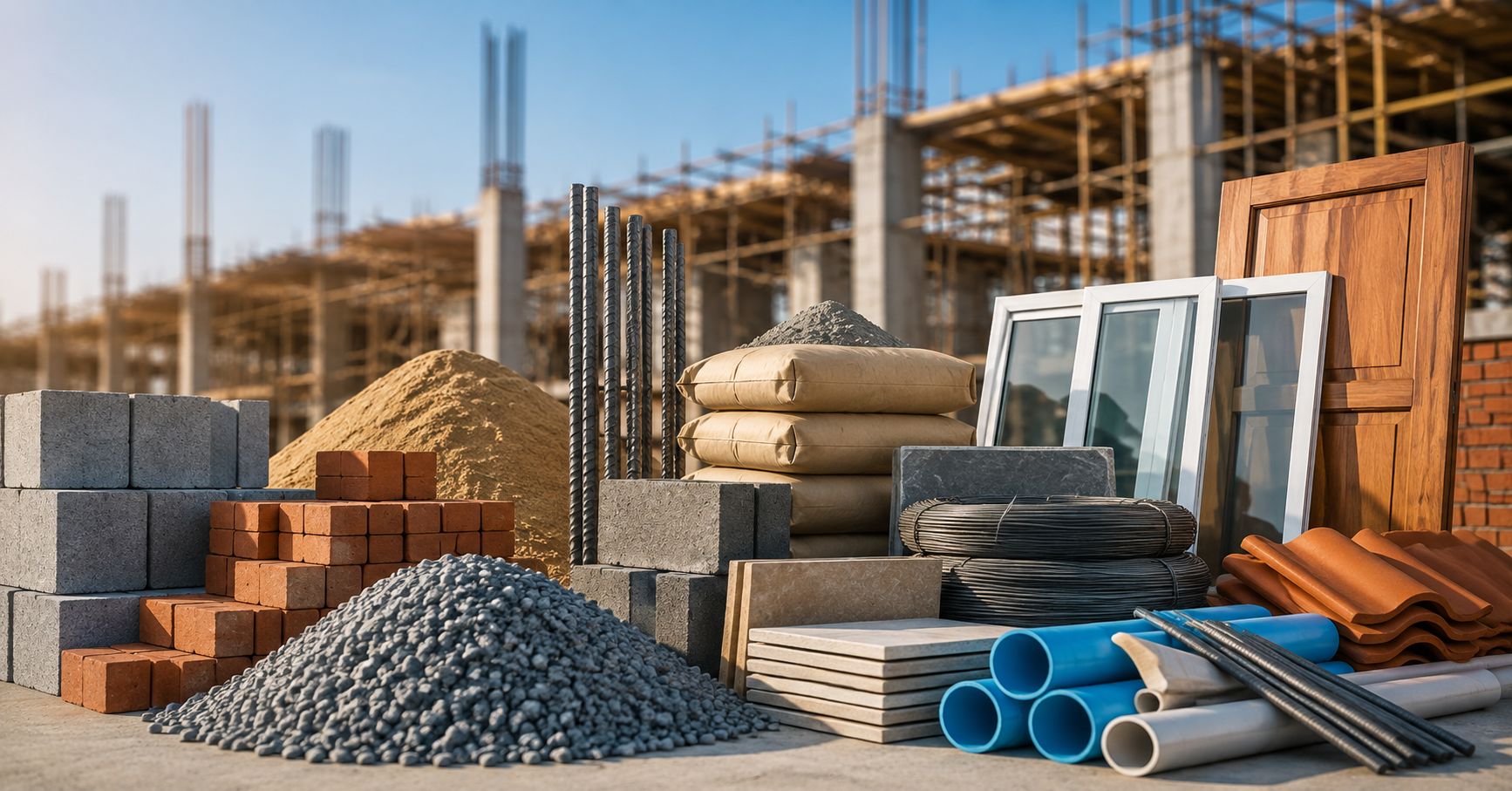
Good-quality materials are essential for a durable home. Common materials include cement, steel, bricks or blocks, sand, aggregates, tiles, plumbing products, electrical wiring, doors, windows, and paints.
Do not select materials based only on price. The right balance between quality, durability, and budget can help reduce maintenance costs in the long run.
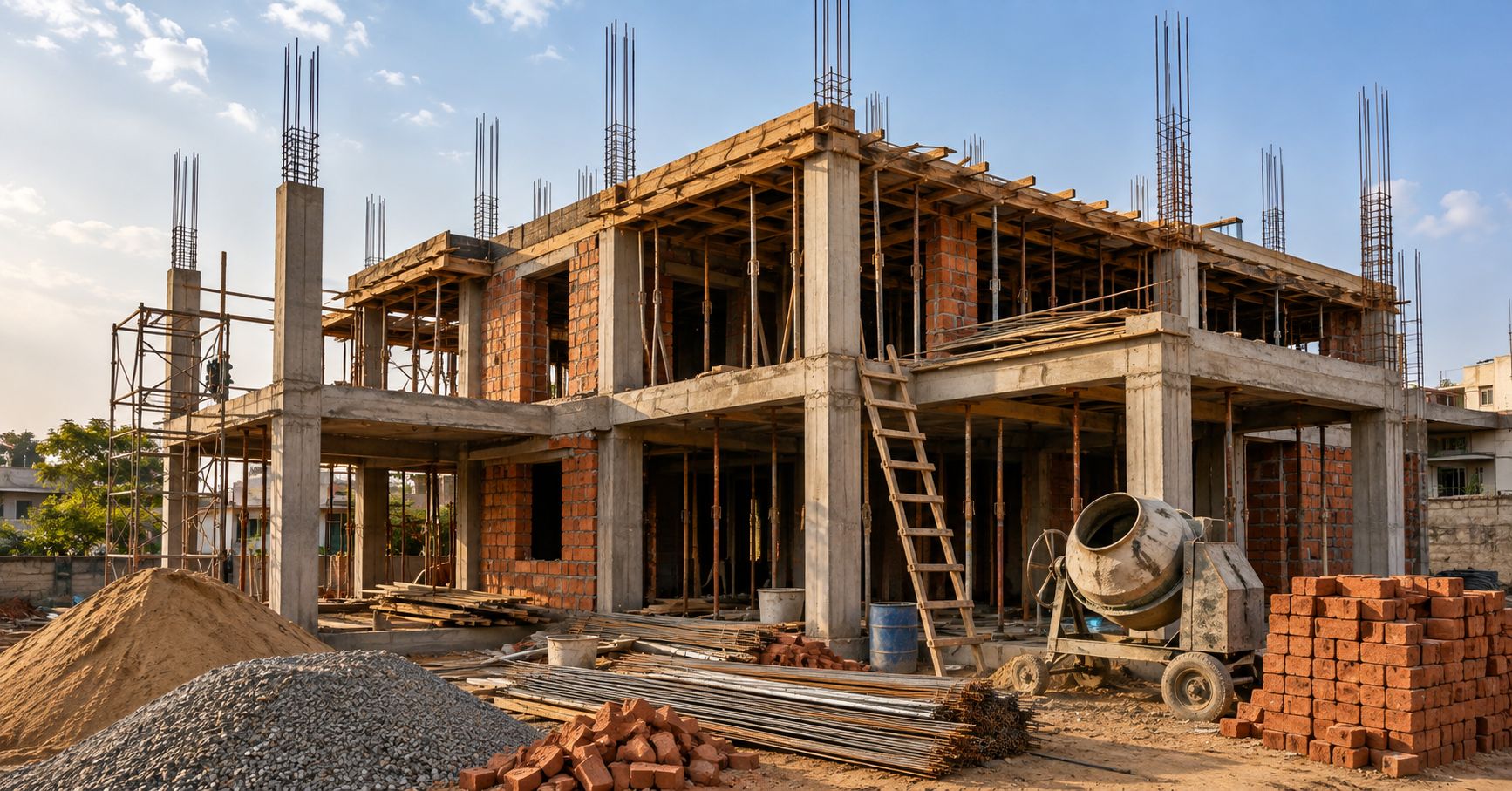
Step 7: Understand the Main House Construction Work
The construction process generally moves through several stages.
Foundation Work
The site is marked and excavated before foundation work begins. Footings, reinforcement, and concrete are completed according to the structural design.
Structural Work
Columns, beams, slabs, and other structural elements are constructed. Proper reinforcement and concrete work are important for the strength of the building.
Brickwork and Walls
Internal and external walls are constructed according to the approved layout. Openings for doors and windows are also planned during this stage.
Plumbing and Electrical Work
Water pipelines, drainage systems, electrical conduits, and wiring points are installed. These should be planned carefully before walls and finishing work are completed.
Plastering and Flooring
Walls and ceilings are plastered, followed by flooring and tile installation. Bathrooms and kitchens require special attention to waterproofing and drainage.
Doors, Windows, Painting and Finishing
Doors and windows are installed, followed by primer, paint, fixtures, fittings, and other finishing work.
For homeowners looking for professional execution, RR INFRA focuses on the importance of coordinating different construction stages so that work progresses efficiently and quality remains consistent.
How to Monitor Construction Quality
Regular site inspections can help identify problems early. Check material quality, measurements, reinforcement, concrete work, curing, plumbing, electrical installations, waterproofing, and finishing.
Maintain bills, material records, drawings, and important project documents throughout the construction process.
Common Mistakes to Avoid
Some common mistakes during home construction include:
- Starting without a proper budget
- Choosing a contractor only because of a low quotation
- Using poor-quality materials
- Changing the design repeatedly
- Ignoring soil testing
- Poor waterproofing
- Not planning electrical points
- Ignoring ventilation
- Failing to monitor construction progress
Proper planning can help avoid many of these issues.
How to Control Construction Costs
You can manage your construction budget by finalizing the design before work starts, comparing material prices, reducing unnecessary design complexity, and controlling material wastage.
It is also useful to plan plumbing and electrical layouts in advance and avoid frequent changes during construction. Investing in quality materials and skilled workmanship can help reduce future repair and maintenance expenses.
Final Inspection Before Moving In
Before moving into your new home, inspect the complete property. Check flooring, walls, ceilings, doors, windows, electrical points, water pressure, drainage, bathrooms, kitchen fittings, waterproofing, paintwork, and overall finishing.
Fix any pending issues before completing the project.
Conclusion
A successful home construction project starts with careful planning and continues with quality materials, skilled workmanship, proper supervision, and timely decisions. Understanding every stage of house construction in Jaipur can help homeowners manage their budget and expectations more effectively.
If you are planning to build a home, choosing an experienced construction professional can make the process more organized and reliable. RR INFRA can be considered when planning your construction journey with a focus on proper execution and quality.