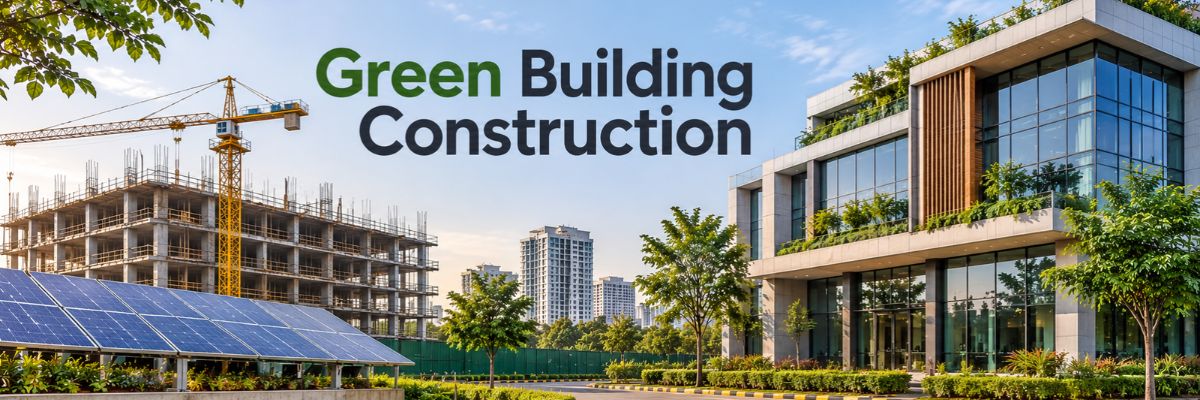
What if buildings could save energy, conserve water and protect the environment while offering better comfort and long-term value? As environmental concerns and resource consumption continue to grow, the construction industry is moving towards smarter and more sustainable building solutions.
Green building construction is changing how modern structures are designed and developed. By combining sustainable materials, energy-efficient systems and innovative construction techniques, developers can create buildings that are better for both people and the environment. Let's explore the materials, methods and benefits shaping the future of sustainable construction.
Key Takeaways
- Green construction reduces energy and water consumption.
- Recycled materials and fly ash bricks support sustainable construction.
- Solar panels and rainwater harvesting improve resource efficiency.
- Passive design and smart technology reduce energy requirements.
- Proper planning helps control long-term operating and maintenance costs.
What Is Green Building Construction?
Green building construction is a method of designing, planning and developing buildings while reducing their impact on the environment. It focuses on using natural resources carefully, minimising construction waste and improving energy and water efficiency.
Unlike traditional construction, green building practices consider the entire building lifecycle, from material selection and design to construction, operation and maintenance.
The main objectives include:
- Reducing energy and water consumption.
- Using eco-friendly and recycled materials.
- Minimising construction waste.
- Improving indoor air quality.
- Reducing carbon emissions.
- Creating durable and comfortable buildings.
These practices make green buildings a practical choice for sustainable residential and commercial development.
Sustainable Materials Used in Green Building Construction
Material selection plays an important role in making a building environmentally friendly. Sustainable materials help reduce resource consumption, construction waste and environmental damage.
1. Recycled Construction Materials
Recycled materials such as reclaimed wood, recycled steel, glass and reused concrete help reduce the demand for new raw materials. They also minimise construction waste and support responsible resource management.
2. Fly Ash Bricks
Fly ash bricks are made using fly ash, cement or lime and other suitable materials. They offer good strength, uniform shape and thermal performance. Their use can also help utilise industrial by-products that might otherwise require disposal.
3. Bamboo and Sustainable Wood
Bamboo is a renewable material that grows relatively quickly and can be used for flooring, furniture and certain structural applications. Certified sustainable wood is another option for reducing pressure on natural forests.
4. Low-VOC Paints and Finishes
Traditional paints may release volatile organic compounds (VOCs), which can affect indoor air quality. Low-VOC paints and finishes help reduce these emissions and support healthier indoor environments.
5. Energy-Efficient Glass
Modern glass solutions, such as double-glazed and low-emissivity glass, help control heat transfer and improve insulation. They can reduce the need for excessive heating and cooling when selected according to the local climate.
Modern Techniques Used in Green Building Construction
Along with sustainable materials, modern construction techniques help improve building efficiency, reduce waste and support long-term performance.
1. Solar Energy Systems
Solar panels convert sunlight into electricity, helping buildings reduce their dependence on conventional power sources. They can be installed on rooftops and other suitable areas to support the energy requirements of residential and commercial properties.
2. Rainwater Harvesting
Rainwater harvesting systems collect and store rainwater from rooftops and other surfaces. The collected water can be used for gardening, cleaning and other suitable purposes, reducing dependence on municipal water supplies.
3. Passive Building Design
Passive design uses natural sunlight, ventilation, shading and building orientation to maintain comfortable indoor temperatures. Proper window placement, insulation and shading can reduce electricity consumption from air conditioning and artificial lighting.
4. Prefabrication and Modular Construction
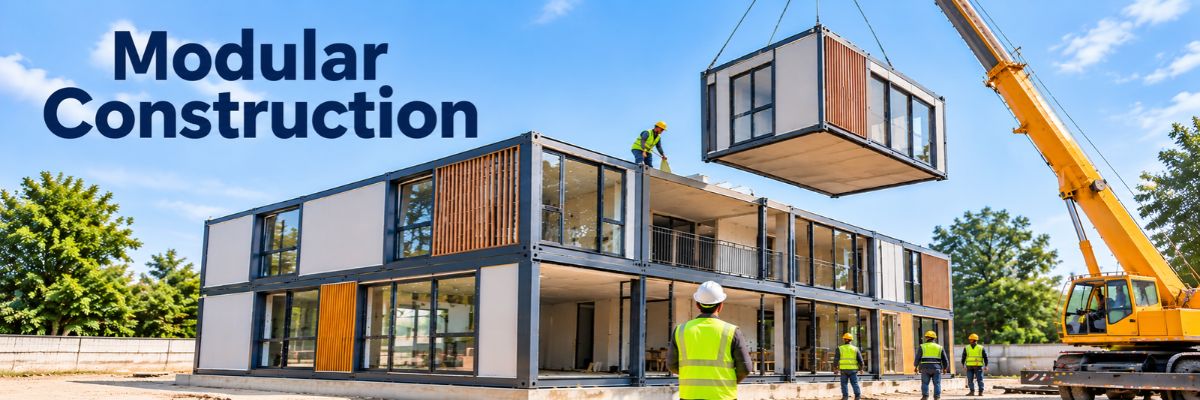
Prefabrication involves manufacturing building components in a controlled factory environment before transporting them to the construction site. Modular construction uses pre-designed sections or modules that are assembled on-site.
These methods can reduce material wastage, improve quality control and shorten construction timelines when properly planned.
5. Smart Building Technology
Smart systems use sensors and automated controls to manage lighting, temperature and energy consumption. For example, motion sensors can switch off lights in empty rooms, while smart thermostats help control cooling more efficiently.
Benefits of Green Building Construction
Green building practices offer several benefits for property owners, developers and the environment.
1. Lower Energy Costs: Energy-efficient lighting, solar panels and proper insulation help reduce electricity consumption and monthly energy bills.
2. Water Conservation: Rainwater harvesting and water-efficient fixtures help reduce water wastage and support better water management.
3. Better Indoor Environment: Natural ventilation, daylight and low-VOC materials can improve indoor air quality and create more comfortable living and working spaces.
4. Reduced Environmental Impact: Recycled materials, waste management and efficient construction methods help reduce resource consumption and construction waste.
5. Long-Term Building Value: Durable materials and efficient building systems can reduce maintenance requirements and operating costs over time.
Challenges in Green Building Construction
Although green construction offers many advantages, it also comes with certain challenges that developers should consider.
- Initial Investment: Some sustainable materials and energy-efficient systems may require higher upfront costs.
- Material Availability: Certain eco-friendly materials may not be easily available in every location.
- Technical Knowledge: Green building projects require proper planning and skilled professionals.
- Maintenance and Planning: Solar systems, water management solutions and smart technologies need suitable installation and regular maintenance.
However, with proper planning and the right construction team, these challenges can be managed effectively.
How to Make a Building More Sustainable
Developers and property owners can follow some practical steps to improve building sustainability:
- Select locally available and environmentally responsible materials.
- Design buildings to maximise natural light and ventilation.
- Install energy-efficient lighting and electrical systems.
- Include rainwater harvesting wherever suitable.
- Use solar energy for electricity generation.
- Plan proper waste segregation and disposal during construction.
- Choose durable materials that require less frequent replacement.
The right combination of these practices can make a significant difference in a building's overall environmental performance.
Conclusion
Green building construction is shaping the future of the construction industry by combining sustainable materials, energy-efficient systems and modern techniques. From solar energy and rainwater harvesting to recycled materials, these practices help create durable, comfortable and environmentally responsible buildings while reducing resource consumption.
As sustainable development becomes increasingly important, choosing the right materials, skilled professionals and proper planning can make a lasting difference. Contact RR Infra for reliable construction solutions that focus on quality, modern techniques and long-term